Creating a home office that feels both cozy and functional can greatly improve your productivity and overall work satisfaction. Whether you work remotely full-time or just need a comfortable spot for occasional tasks, setting up a space that balances comfort with efficiency is key. In this post, we’ll explore practical tips to help you design a home office that works for you.
Choose the Right Location
Consider Natural Light
A well-lit workspace can boost your mood and reduce eye strain. Aim to set up your home office near a window where you can benefit from natural light. If sunlight causes glare on your screen, consider light, adjustable window treatments like blinds or sheer curtains.
Quiet and Private
Choose a space that minimizes distractions. A quiet corner, spare room, or even a nook can work well if it’s away from the busiest parts of your home.
Invest in Comfortable Furniture
Select an Ergonomic Chair
A comfortable, supportive chair is crucial for long hours spent working. Look for an adjustable chair with good lumbar support and breathable materials.
Desk Selection
Choose a desk that suits your needs. If space is limited, consider a wall-mounted fold-down desk or a compact writing table. Desks with built-in storage or shelves can help keep supplies organized.
Organize for Efficiency
Declutter Regularly
A cluttered workspace can create stress and distraction. Keep your desk surface clear of unnecessary items. Use cable management tools to handle cords neatly.
Use Storage Solutions
Utilize shelves, filing cabinets, baskets, or drawer organizers to keep paperwork and supplies neatly stored but easily accessible.
Personalize Your Space
Add Cozy Textiles
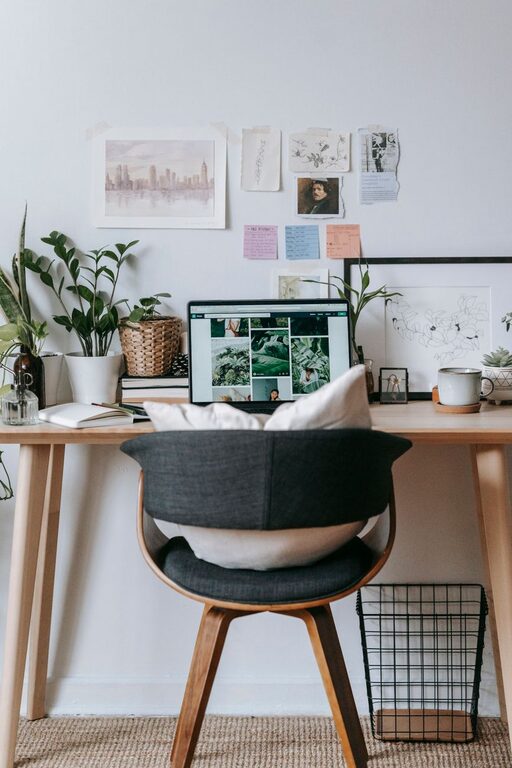
Include a soft rug, comfortable cushions, or a throw blanket to give your office a warm atmosphere. These elements make the space inviting and comfortable.
Bring in Greenery
Plants not only brighten up your workspace but also help purify the air and reduce stress. Choose easy-care plants like pothos, succulents, or spider plants.
Display Inspiring Items
Decorate with pictures, artwork, or a vision board. Personal touches can motivate you and make your workspace feel more like your own.
Optimize Lighting
Layer Your Lighting
Use a combination of ambient, task, and accent lighting. A good desk lamp is essential for focused work, while softer overhead or floor lamps create a welcoming environment.
Use Warm Light Bulbs
Bulbs with warm color temperatures create a cozy feel, while cool white light is better for alertness during high-focus tasks. Consider adjustable bulbs that let you switch between the two.
Set Boundaries with Technology
Manage Notifications
Turn off non-essential notifications during focused work times to reduce interruptions.
Arrange Your Devices
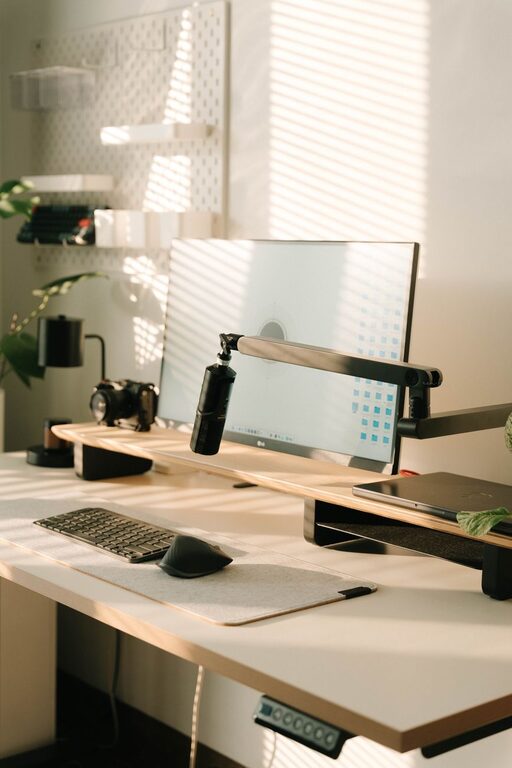
Position your monitor at eye level to prevent neck strain. Use a wireless keyboard and mouse if space allows to keep your desk tidy.
Incorporate Flexibility
Multi-Use Furniture
Consider furniture that can serve multiple purposes, like desks with fold-out leaves or ottomans with storage inside.
Standing Desk Options
If you prefer, a desk that converts to standing height can support healthy posture changes throughout the day.
Maintain Regular Breaks and Movement
A cozy office encourages you to stay, but remember to move regularly. Set a timer to stand, stretch, or walk around every hour to keep energy levels up.
Conclusion
Creating a home office that’s both cozy and functional isn’t about having the biggest or most expensive space. It’s about thoughtful choices that address your comfort, organization, lighting, and personal style. By following these tips, you can design a workspace that helps you stay focused, feel good, and enjoy your remote work experience.
About the Author